Research
Find out about our Team, Projects and more at our University of Queensland website
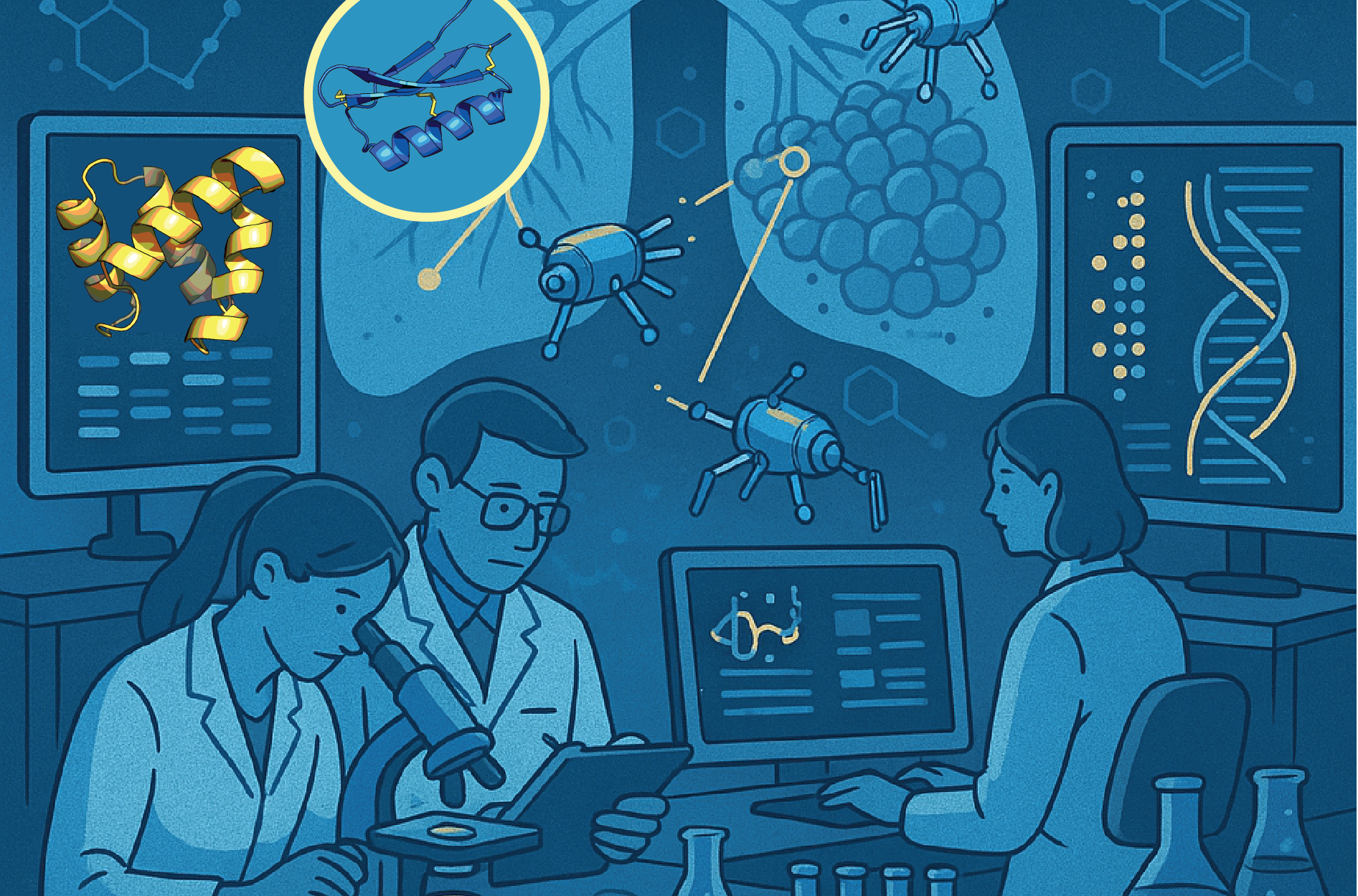
Here are some themes and techniques that we currently work on:
How Machine Learning is Helping Build Better Cancer Imaging Molecules. The right treatment depends on the right diagnosis. This project aims to engineer advanced agents capable of precisely locating and “painting” every cancer cell in the body, enabling clinicians to detect and treat tumours with unprecedented resolution. The candidate will gain expertise in drug discovery through computational biology and molecular biology. If you’re interested in learning more about drug design or exploring potential projects, please feel free to reach out.
Fast-tracking New Protein Medicines to Beat Cancer Resistance. Targeted therapies against kinases are frontline treatments for many cancers. However, drug resistance often emerges within months of initiating therapy. This project aims to develop resilient kinase-targeted drugs with novel mechanisms of action that disrupt growth-promoting signals in cancer cells while reducing the likelihood of resistance. These agents have the potential to more effectively halt cancer progression. Candidates will learn new skills in drug design and characterisation using tools in molecular biology, biochemistry, and structural biology.
Using Molecular Engineering to Build Precision Immunotherapeutics. Drugs that reinvigorate the immune system to recognise and attack cancer have been revolutionary. However, many of these therapies can also trigger immune responses that harm healthy cells. This project aims to design highly selective immunotherapies that empower the immune system to target and eliminate cancer cells in the lungs while sparing healthy tissue. Candidates will gain hands-on experience in drug design and characterization using molecular and cell biology tools.
Shrinking the Tools to Speed Up the Fight Against Cancer. Powerful technologies have emerged to perform millions of experiments quickly in tiny nanolitre droplets, and have attracted wide interest from major pharmaceutical companies because of the potential to accelerate drug discovery. Research project opportunities are available to investigate these next-generation tools for drug design and learn new skills in one or more areas of nanotechnology and molecular biology.